

In recent years, AI-driven image generation has evolved from a niche concept into a powerful technology that is transforming industries. At the heart of this evolution is computer vision, a branch of AI that enables machines to interpret and generate visual content. From creating stunning artwork to generating lifelike faces, the combination of computer vision and generation AI is pushing the boundaries of creativity and automation. In this post, we’ll explore the role of computer vision in image generation, where tools like DALL-E are used, and how companies like Fliption are leveraging these advancements to create innovative solutions.
What is Computer Vision and How Does It Work in Image Generation?
Computer vision involves training machines to analyze and understand visual information from the world, allowing them to recognize objects, detect patterns, and even generate images. It encompasses a range of techniques, including pattern recognition, image processing, and deep learning, which work together to help machines mimic human vision. In the context of image generation, computer vision plays a crucial role by identifying features like textures, colors, and shapes, which can then be used to create new and often hyper-realistic images.
Generation AI: Computer Vision in Image Creation
Generation AI combines computer vision with generative models to create visuals from text descriptions, image references, or even from scratch. For example, DALL-E, a model developed by OpenAI, uses deep learning to generate images based on simple text prompts, creating entirely new content that matches the description provided. This technology extends beyond just creating art; it’s used to generate realistic faces, synthetic environments, and conceptual designs.
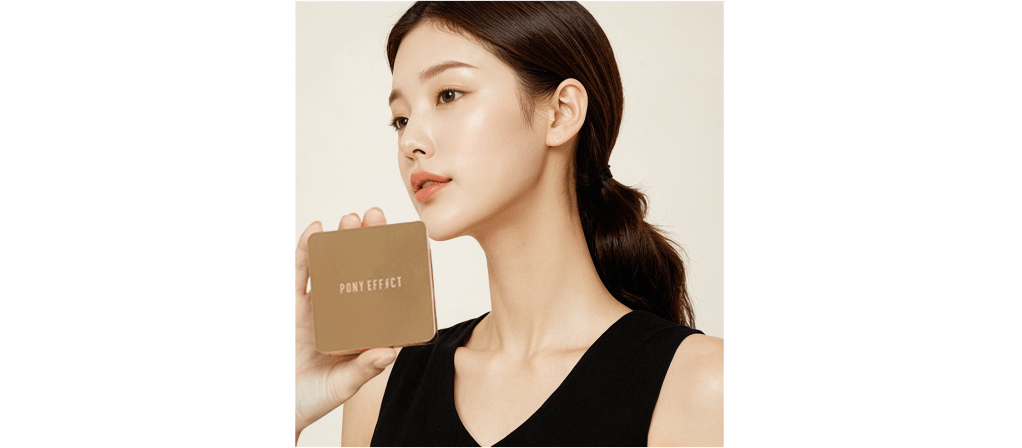
Face generation is a prime example of this technology’s potential. By analyzing thousands of images, AI models can generate new, lifelike faces that don’t belong to any real person. These faces can be used in marketing, entertainment, or anywhere there’s a need for customizable visual content. The precision of computer vision in identifying key facial features makes it possible to create highly realistic models that can be fine-tuned for specific needs.
Where DALL-E and Other AI Tools Are Applied
AI-generated images are making waves across industries. In marketing, companies use them to create promotional content tailored to different audiences. Designers and artists leverage AI to explore new creative avenues, generating inspiration and entire portfolios with minimal effort. E-commerce platforms use AI to generate product images or lifestyle scenarios that are both engaging and relevant to their target customers.
For example, a clothing brand could use DALL-E to generate on-brand visuals for their latest campaign or experiment with different model looks without hiring talent. The ability to generate custom, high-quality images on demand is opening up new possibilities for businesses that rely heavily on visual content.
Examples of Computer Vision in Action
Computer vision isn’t limited to image generation. It’s used extensively in facial recognition, autonomous driving, medical imaging, and object detection. In self-driving cars, computer vision identifies obstacles and makes real-time decisions to ensure safe navigation. In healthcare, it assists in diagnosing diseases by analyzing medical images more accurately than human experts in some cases.
These applications highlight the versatility of computer vision. The same underlying technology that powers these critical functions is what enables AI models to create entirely new images, whether it’s a brand-new landscape or a virtual face for a digital ad campaign.
Fliption in the AI-Powered Image Generation Landscape
As image generation technology continues to advance, companies like Fliption are bringing specialized solutions to market. Fliption is at the forefront of AI-driven content creation, generating high-quality model images tailored to specific marketing needs. It doesn’t just stop at generating images— Fliption also offers AI-driven recommendations to brand marketers, suggesting the most effective model based on the content’s goals.
Using cutting-edge face synthesis technology, Fliption can create virtual faces from a user’s input image, allowing brands to instantly use these models in their campaigns. Additionally, face-swapping service enables seamless integration of faces in images and videos, opening new creative possibilities for marketers and content creators. By combining AI, computer vision, and an understanding of brand needs, Fliption is transforming how marketers approach visual content creation. Whether it’s generating a lifelike model face or swapping faces for a targeted video, Fliption’s solutions provide a level of flexibility and efficiency that traditional methods can’t match.
Computer vision and AI-driven image generation are revolutionizing the way we create and interact with visual content. From generating art and marketing visuals to powering life-saving technologies, these tools are only beginning to reveal their potential.



 Fliption | Blog
Leave a comment