
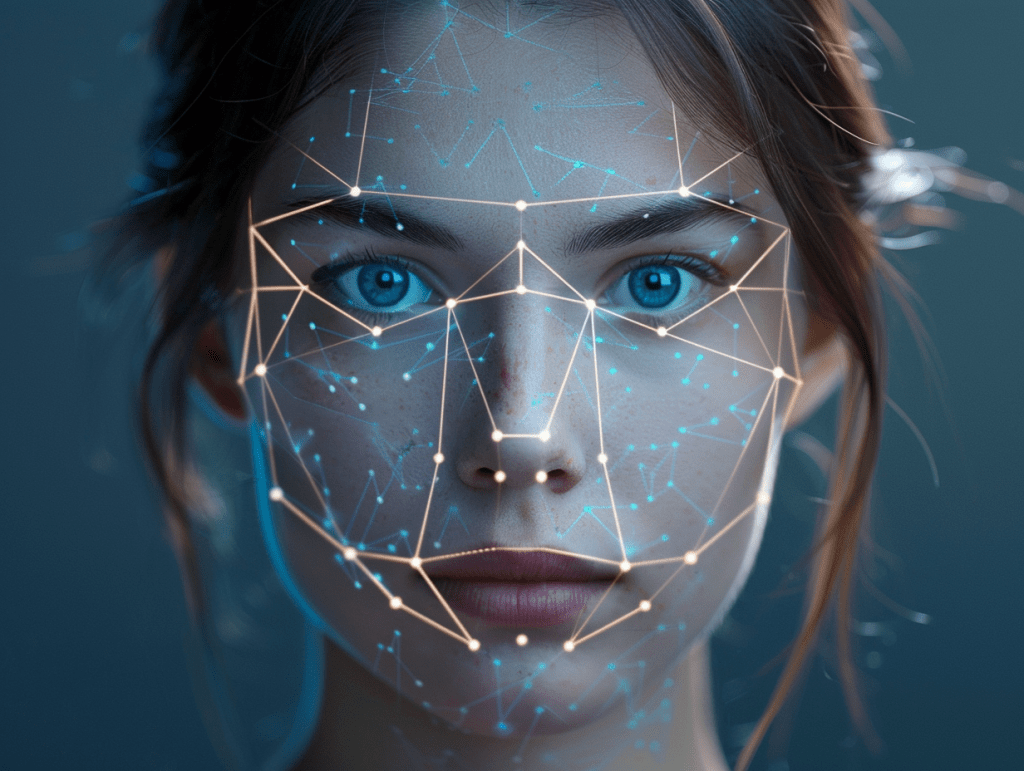
In recent years, artificial intelligence (AI) has made significant strides across various domains, with facial generation being one of the most fascinating areas of progress. The ability to create highly realistic human faces using AI has captivated researchers, developers, and the public alike. This blog post aims to take you on a journey through the technological advancements in AI facial generation, highlighting key milestones and exploring the potential future of this groundbreaking technology. We will also delve into how companies like Fliption are leveraging these advancements to revolutionize the fashion and marketing industries.
What is Face Generation?
Face generation refers to the process of creating synthetic images of human faces using algorithms and AI models. This technology can produce realistic faces that do not correspond to real individuals, making it useful for various applications, from entertainment to security.
Can AI Create a Person Image?
Yes, AI can create a person image. Through advanced AI models such as Generative Adversarial Networks (GANs) and diffusion models, AI can generate highly realistic images of human faces. These faces are synthesized from patterns and features learned from extensive datasets of real human faces, allowing AI to create new, artificial faces that appear convincingly real.
History of Face Generation with AI Models
The history of face generation with AI models dates back to early facial recognition algorithms. The journey can be summarized as follows:
- Early Days: Initial methods like PCA and LDA focused on recognizing and analyzing facial features but had limitations in accuracy and realism.
- Machine Learning Era: The introduction of ML algorithms improved facial recognition and generation. CNNs played a significant role in processing visual data and learning from it.
- Deep Learning and GANs: The advent of DL and GANs revolutionized face generation. GANs, introduced in 2014, enabled the creation of highly realistic and customizable facial images, pushing the boundaries of what was possible.
- Diffusion Models: Recently, diffusion models have emerged, offering a new approach to image generation that improves upon the refinement and quality of AI-generated faces.
Breakthroughs with Generative Adversarial Networks (GANs)
A significant breakthrough in AI facial generation came with the advent of Generative Adversarial Networks (GANs). Introduced by Ian Goodfellow in 2014, GANs consist of two neural networks: the generator and the discriminator. The generator creates images, while the discriminator evaluates their authenticity. Through this adversarial process, GANs have achieved remarkable results in generating realistic human faces.
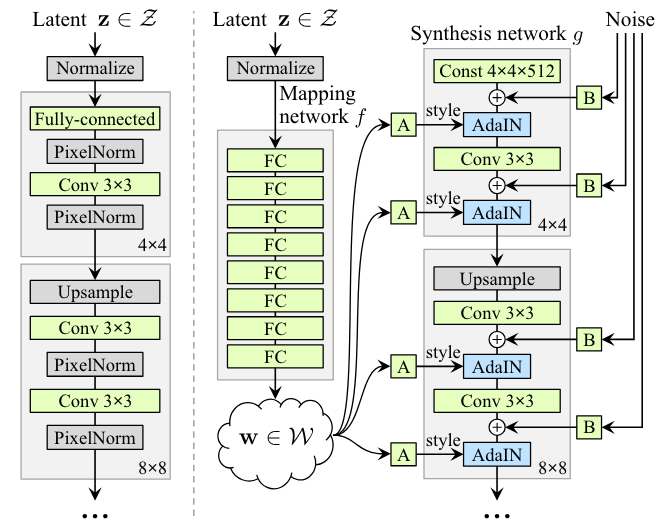
Notable GAN models like StyleGAN, developed by NVIDIA, have set new benchmarks in facial generation. StyleGAN’s ability to control various aspects of facial features, such as age, expression, and hairstyle, has opened up new possibilities in fields like entertainment, virtual reality, and fashion.
Diffusion Models is recently emerging models that progressively generate images through a series of steps, refining the image with each step. Stable Diffusion, DALLE and Midjourney are representative Diffusion models.
Current State and Future Prospects
Today, AI facial generation technology is more advanced than ever, with ongoing research pushing the boundaries of what is possible. Recent developments include:
- AI Face Generator from Text: Models that can generate faces from textual descriptions.
- 3D Avatar Creation: Advanced techniques for creating 3D avatars.
- Real-time Facial Animation: Technology for animating facial expressions in real-time.
The potential applications of this technology are vast, ranging from creating lifelike characters in video games to enhancing virtual communication experiences. Looking ahead, the future of AI facial generation holds exciting prospects. As AI models continue to improve, we can expect even more realistic and versatile facial generation capabilities. However, it is essential to balance technological advancements with ethical considerations to ensure the responsible use of this powerful technology.
Ethical Considerations and Challenges
Despite the remarkable progress, AI facial generation technology raises important ethical considerations and challenges. The ability to create hyper-realistic faces has led to concerns about:
- Privacy: Risks related to unauthorized use of AI-generated faces.
- Identity Theft: Potential misuse in creating fraudulent identities.
- Deepfakes: Use in spreading misinformation and deceiving the public.
It is crucial for researchers, policymakers, and developers to collaborate on establishing ethical guidelines and regulations to mitigate these risks.

Fliption’s Contribution to AI Facial Generation
Fliption has harnessed the power of these advanced AI technologies to transform the fashion and marketing industries. Here’s how Fliption is making an impact:
- Fashion Model Image Generation: Fliption generates fashion model images using AI, providing brand marketers with tailored model recommendations for marketing content creation.
- Immediate Use through Virtual Face Creation: This service allows for the immediate use of these models through virtual face creation and face synthesis technology.
- User Input Customization: Fliption’s AI service generates model face images based on the user’s input image, offering a unique blend of customization and realism.
By leveraging GANs, diffusion models, and other cutting-edge techniques, Fliption ensures that the generated models meet the specific needs and preferences of users, enhancing the overall effectiveness of marketing campaigns.
The journey through the advancements in AI facial generation reveals a trajectory of rapid progress and innovation. From early algorithms to sophisticated GANs and diffusion models, the evolution of this technology showcases the incredible potential of AI in creating realistic human faces. Companies like Fliption are at the forefront of this revolution, offering innovative services that leverage AI to enhance the fashion and marketing industries. As we look to the future, staying informed about both the technological advancements and the ethical implications will be crucial in harnessing the power of AI facial generation for positive and impactful applications.




 Fliption | Blog
Leave a comment