
Generative AI has revolutionized various industries by enabling machines to create content that was once solely in the human domain. From art and music to marketing, Generative AI has opened new possibilities for creativity and efficiency. In this post, we will explore the history of Generative AI, its significant advancements, and its current applications.
Historical Timeline
1. Early Beginnings
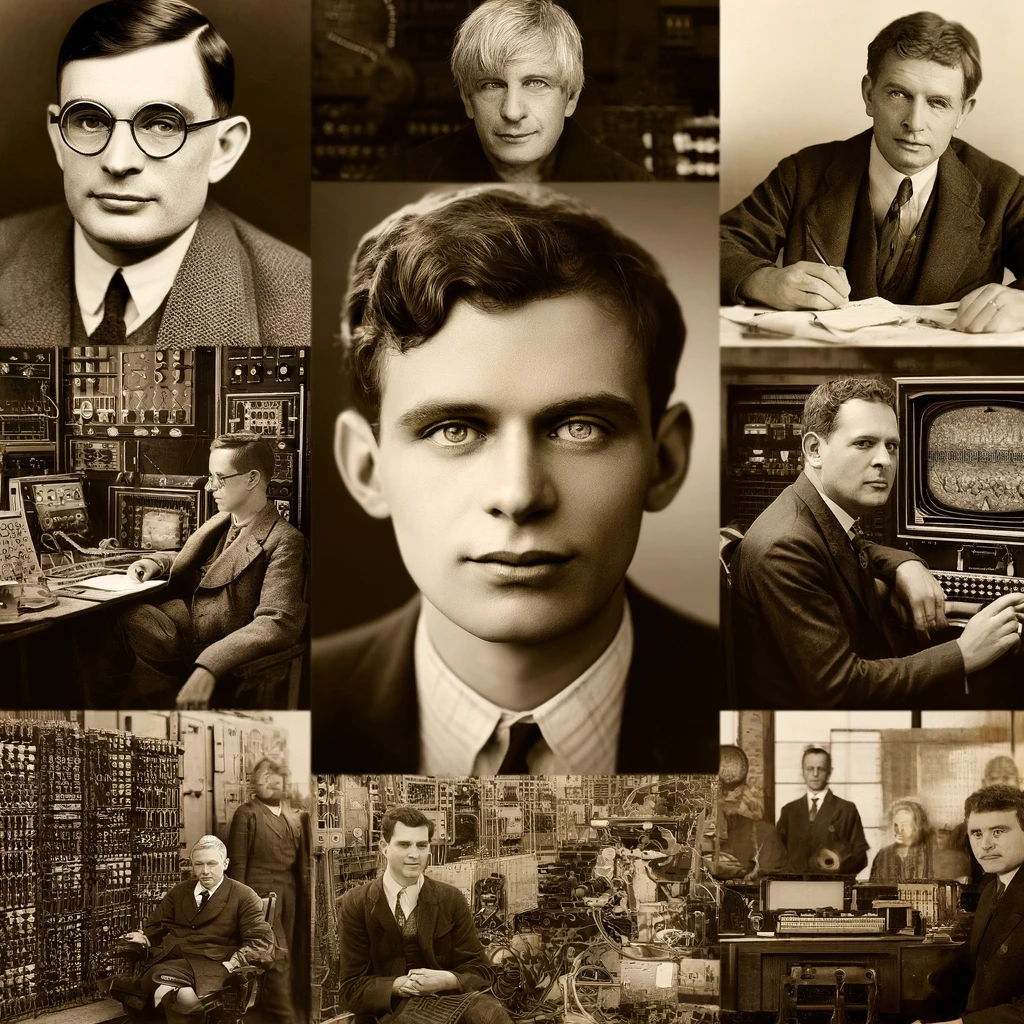
The roots of Generative AI trace back to the 1950s with theoretical foundations laid by pioneers like Alan Turing. Turing’s work on artificial intelligence set the stage for future developments. The 1960s and 1970s saw the rise of rule-based systems and early AI experiments, which were limited by the computational power of the time.
2. 1980s-1990s: The Rise of Machine Learning
During the 1980s and 1990s, significant progress was made with the development of neural networks and the introduction of backpropagation. Early generative models, such as Boltzmann Machines, emerged, demonstrating the potential of AI to generate new data.
3. 2000s: Advancements in Algorithms and Computing Power
The 2000s marked a period of rapid advancement in machine learning algorithms and increased computational power. Techniques such as Support Vector Machines (SVM) and Hidden Markov Models (HMM) paved the way for more complex generative models.
4. 2010s: The Deep Learning Revolution
The 2010s brought about the deep learning revolution, with the advent of deep neural networks and significant breakthroughs in image and speech generation. One of the most notable advancements was the introduction of Generative Adversarial Networks (GANs) by Ian Goodfellow in 2014. GANs, along with Variational Autoencoders (VAEs), revolutionized the ability of AI to generate realistic images and other content.
5. 2020s: State-of-the-Art Models and Applications
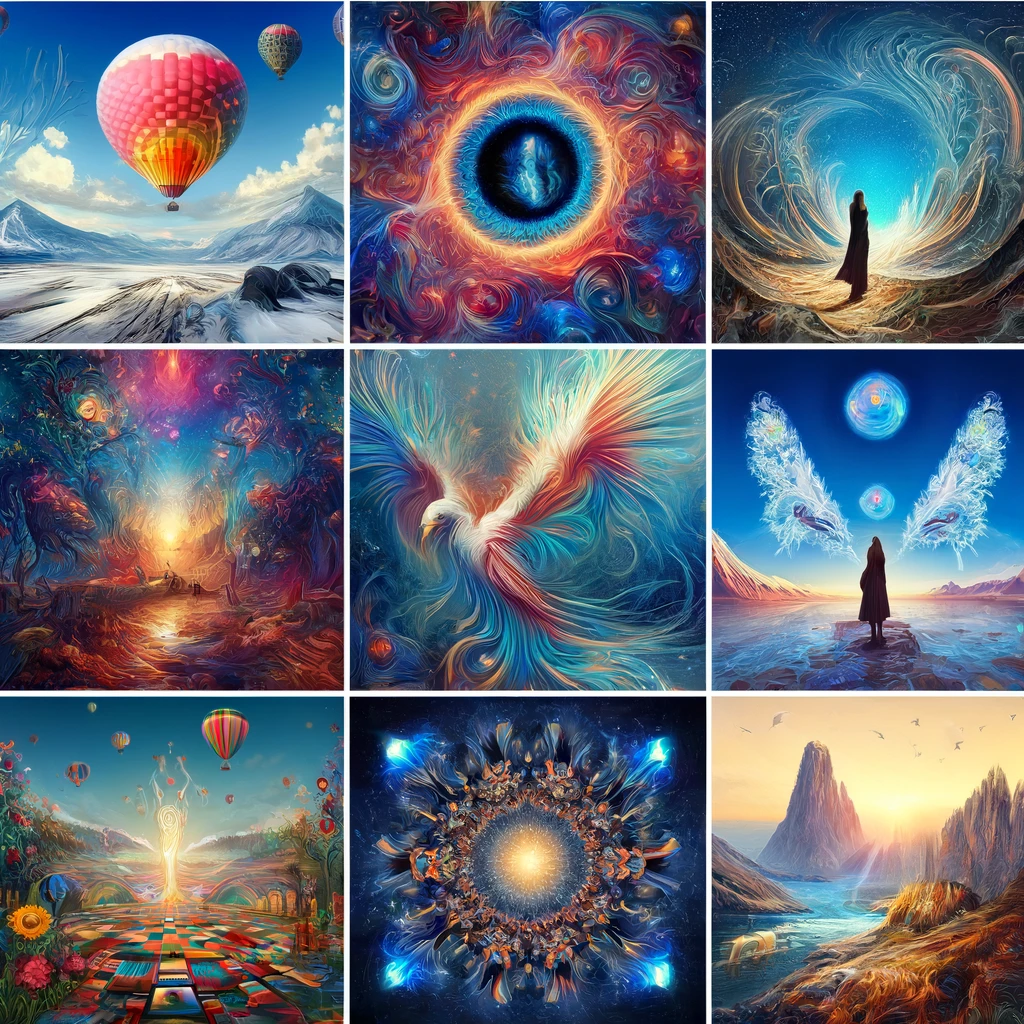
In the 2020s, state-of-the-art generative models like OpenAI’s GPT-3 and DALL-E have showcased the incredible potential of AI in creating human-like text and images. These models have found applications in a wide range of fields, including content creation, art, music, and more.
As we look to the future, the continued development of Generative AI promises to bring even more exciting and transformative changes. Fliption is proud to be a part of this revolutionary journey, leveraging Generative AI to offer innovative solutions in the fashion industry. Discover how Fliption is using this cutting-edge technology to transform fashion marketing and provide brands with highly realistic and customizable virtual models. For more details, visit Fliption’s service website. Share your thoughts and comments below, and stay tuned for more insights into the fascinating world of AI.




 Fliption | Blog
Leave a comment