
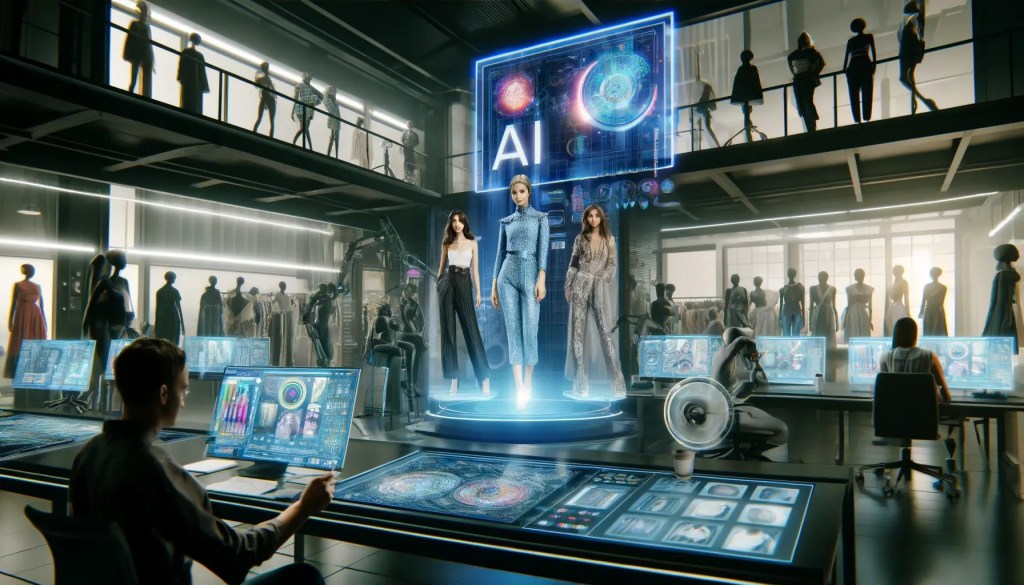
The fashion industry is embracing a significant transformation with the integration of AI and advanced recommender systems. These technologies are revolutionizing model casting by making it faster, more efficient, and better aligned with brand needs. AI tools rapidly evaluate model portfolios, while recommender systems help predict the most suitable models for specific campaigns, ushering in a new era of efficiency and strategic marketing in fashion.
Section 1: AI Fundamentals in Fashion Modeling
(1) Creating Fashion Models with AI
The creation of fashion models using artificial intelligence represents a groundbreaking shift in model casting, merging technology with traditional aesthetics. The process typically follows these steps:
- Data Collection: AI systems begin by gathering vast amounts of data, including images, videos, and biometric information of various human features and body types.
- Model Training: Using this data, AI algorithms are trained to understand and generate human features accurately. This training involves machine learning techniques where the AI learns from the dataset to produce realistic and diverse model outputs.
- Generation: Once trained, the AI utilizes generative adversarial networks (GANs) or similar technologies to create images of virtual fashion models. These models can be customized with specific attributes like age, ethnicity, body type, and style as per brand requirements.
- Refinement: AI-generated models are then refined for realism and detail, ensuring they meet the high standards of the fashion industry. This might include enhancing the resolution, adjusting lighting and shadows, or tweaking the poses and expressions.
- Integration: Finally, these virtual models are integrated into various platforms and media, ready to be used in digital campaigns, virtual fashion shows, or even augmented reality (AR) fitting rooms.
Virtual face creation and synthesis technologies play a crucial role in this process. They focus specifically on generating photorealistic faces of models with the ability to express a range of emotions and features that align with brand identity, ensuring each virtual model is both unique and engaging.
(2) The Role of AI in Fashion Beyond Modeling
AI’s impact in fashion extends beyond just modeling. Its broader applications include:
- Trend Prediction: AI analyzes current fashion trends, consumer behavior, and social media data to predict future fashion trends. This helps brands stay ahead in a highly competitive market.
- Automated Design: AI assists in the design process by suggesting alterations, creating new patterns, or even generating complete apparel designs, thus speeding up the product development cycle.
- Supply Chain Optimization: AI optimizes the supply chain by forecasting demand, managing inventory, and reducing waste, thus increasing efficiency.
- Customer Experience Enhancement: Through personalization algorithms, AI enhances online shopping experiences by suggesting customized products and styles to consumers.
Section 2: The Mechanics of AI-Driven Recommendation Systems
(1) Types of Recommender Systems Used in Fashion
In the fashion industry, recommender systems are crucial for personalizing the shopping experience and improving product discovery. These systems fall into three primary categories:
- Content-Based Filtering: This system recommends items similar to those a user has liked before, based on the features of the products themselves.
- Collaborative Filtering: Perhaps the most famous type of recommender, this approach suggests products based on the behavior and preferences of similar users. It operates under the assumption that those who agreed in the past will agree in the future.
- Hybrid Recommendation Systems: Combining both content-based and collaborative filtering, hybrid systems provide more accurate recommendations by leveraging the strengths of both methods.
These systems are exemplified in the way fashion e-commerce platforms recommend products, where they analyze user interactions, preferences, and previous purchases to suggest new items.
(2) The Technology Behind AI Recommendations
Recommender systems in fashion use a type of technology that helps brands suggest products that you might like, based on what you’ve chosen before or what similar shoppers have enjoyed. Here’s a simplified explanation of how these systems work:
- Understanding Patterns: These systems look at a lot of data from past purchases and preferences to find patterns. For example, if you often buy floral dresses, the system might suggest more floral designs or similar styles next time you shop.
- Learning from Feedback: They also learn from how all shoppers react to different suggestions. This helps improve their guesses over time, making sure the recommendations get better and more personalized as you continue to use the service.
- Helping You Find What You Love: Ultimately, these systems are all about making it easier for you to find clothes that you’ll love without having to search through everything yourself. They use their understanding of fashion trends and customer preferences to offer you a curated selection of items that fit your style.
By using these intelligent systems, fashion brands can make shopping more enjoyable and efficient, connecting you with styles that match your taste while also introducing you to new trends that could become your next favorite.
Section 3: Real-World Applications and Success Stories
(1) Innovations in Fashion Modeling Using AI
The fashion industry is experiencing a transformative shift with the integration of AI, as various entities leverage this technology to drive innovation and efficiency. Examples include:
- Personalization and Design: AI is utilized to tailor clothing options to individual tastes and to help design new items based on aggregated customer feedback, showing how data can directly influence creative processes.
- Trend Analysis and Development: By analyzing extensive image databases, AI helps predict future fashion trends, allowing for the early development of designs that resonate with upcoming market demands.
- Manufacturing Optimization: AI’s application in manufacturing processes has led to the on-demand creation of garments, significantly reducing material waste and optimizing production timelines.
These applications of AI demonstrate a significant enhancement in how fashion entities approach both creative and logistical aspects of the industry, using sophisticated algorithms to align products closely with consumer and market trends.
(2) Generative AI
Generative AI is increasingly becoming a game-changer in the fashion industry:
- Design Creation: AI algorithms can generate unique clothing designs based on existing fashion data, trend predictions, and specified design parameters. This can dramatically speed up the creative process and introduce new levels of customization.
- Virtual Models: AI-generated models and avatars are used in digital fashion shows and online marketing, providing a cost-effective alternative to traditional photoshoots.
The potential future impacts of generative AI include transforming the supply chain by predicting trends more accurately, enabling brands to produce exactly what is needed without overproduction, and enhancing sustainable practices within the industry.
Section 4: Implementing AI in Your Fashion Projects
(1) How to Choose the Right AI Solution
Selecting the right AI tools and technologies is crucial for achieving desired outcomes in fashion projects:
- Assess Needs and Goals: Identify what you want to achieve with AI, whether it’s improving design processes, enhancing customer experience, or optimizing the supply chain.
- Consider AI Capabilities: Evaluate AI solutions based on their ability to handle your specific requirements, such as style transfer, trend forecasting, or customer data analysis.
- Scalability and Integration: Choose AI solutions that can scale with your business growth and can be integrated seamlessly with your existing systems.
(2) Challenges and Considerations
While AI presents numerous opportunities, it also comes with challenges:
- Data Privacy: Handling customer data responsibly is paramount, as AI systems often require large amounts of data.
- Bias in AI: AI systems can inadvertently perpetuate biases if not properly trained on diverse datasets. Continuous monitoring and updating of AI models are necessary to mitigate these issues.
- Human Oversight: AI should be seen as a tool to augment human capabilities, not replace them. Ensuring human oversight in critical decision-making processes helps maintain creative integrity and ethical standards.
By addressing these considerations and harnessing AI responsibly, fashion brands can effectively capitalize on AI technologies to drive innovation and efficiency across various aspects of their business.
AI and recommender systems are reshaping fashion modeling by streamlining processes and enhancing the customization of campaigns. These technologies not only make model casting more efficient but also enable brands to effectively target and engage their audiences. As major brands demonstrate their benefits, the role of AI in fashion is set to grow, promising more sustainable practices and a keen adaptation to consumer preferences, solidifying AI as a cornerstone of modern fashion industry strategies.



 Fliption | Blog
Leave a comment