
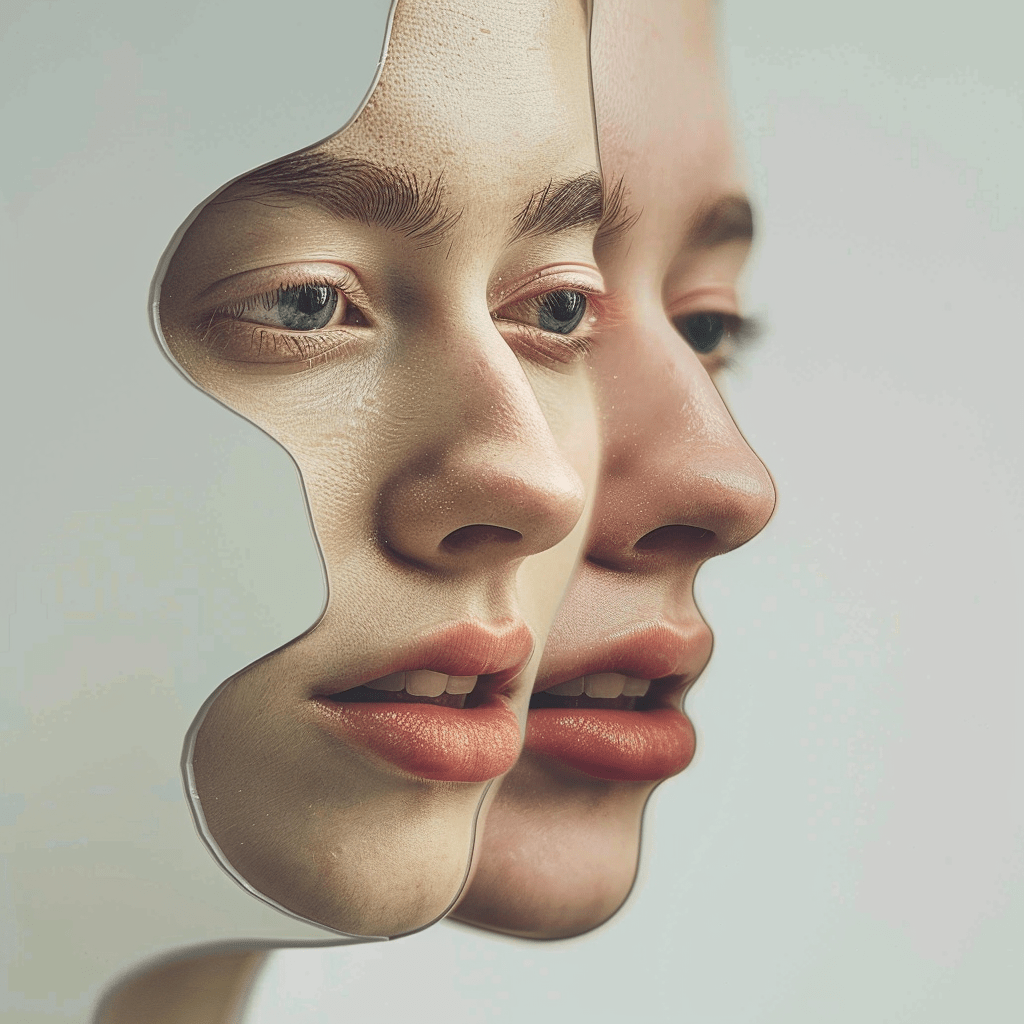
The Art and Complexity of Face Swapping
Face swapping, a sophisticated technique that involves substituting one person’s face with another in photos or videos, is gaining traction for its vast potential in digital media. This article delves into the diverse applications, artistic opportunities, and the significant ethical concerns and challenges associated with this technology.
Entertainment and Humor Through Face Swapping
Predominantly, face swapping serves as a source of entertainment. Many enjoy the novelty of exchanging faces with friends, family, pets, or even celebrities and showcasing these amusing transformations on social media platforms. Applications like TikTok, and Snapchat simplify this process by utilizing advanced AI and machine learning algorithms to accurately detect, align, and blend faces into photos and videos. These platforms often enhance the experience with additional features like stickers and animations, enabling users to create parodies, memes, and comedic content by altering the context of familiar images.

Artistic Expression with Face Swapping
Beyond amusement, face swapping is also embraced in the realm of art and creativity. Artists and photographers employ this technology to produce stunning, original artworks by merging different faces, styles, and genres. This can be a powerful medium for expressing personal emotions, identity, or cultural narratives by experimenting with faces from diverse ages, genders, and ethnic backgrounds. For instance, platforms like Facecast allow users to engage with face-swapped content across various themes like sports and entertainment, while Swapface offers real-time face swapping capabilities for Windows users. Another notable example is DeepArt, which integrates AI to fuse photo content with artistic styles, allowing users to create unique, face-swapped art.
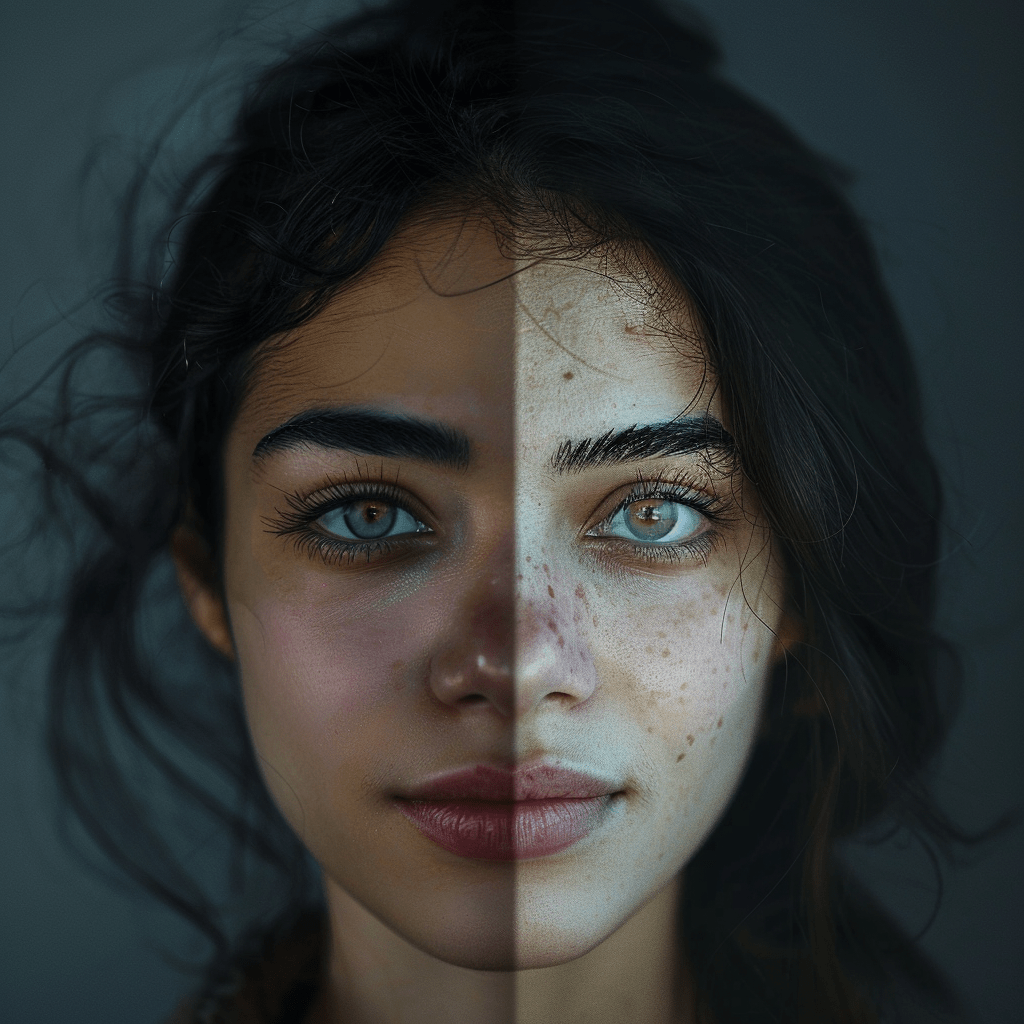
Achieving Realism and Accuracy in Face Swapping
In more serious applications, face swapping is utilized for enhancing realism and authenticity in digital content. Tools like Deepfacelab leverage deep learning to generate high-quality, realistic face swaps suitable for documentaries or films. Photoshop supports intricate face manipulations to adjust color and texture, ensuring seamless integration. Moreover, platforms like MyHeritage use face swapping to animate and colorize historical photos, helping to visualize historical figures and ancestors vividly.
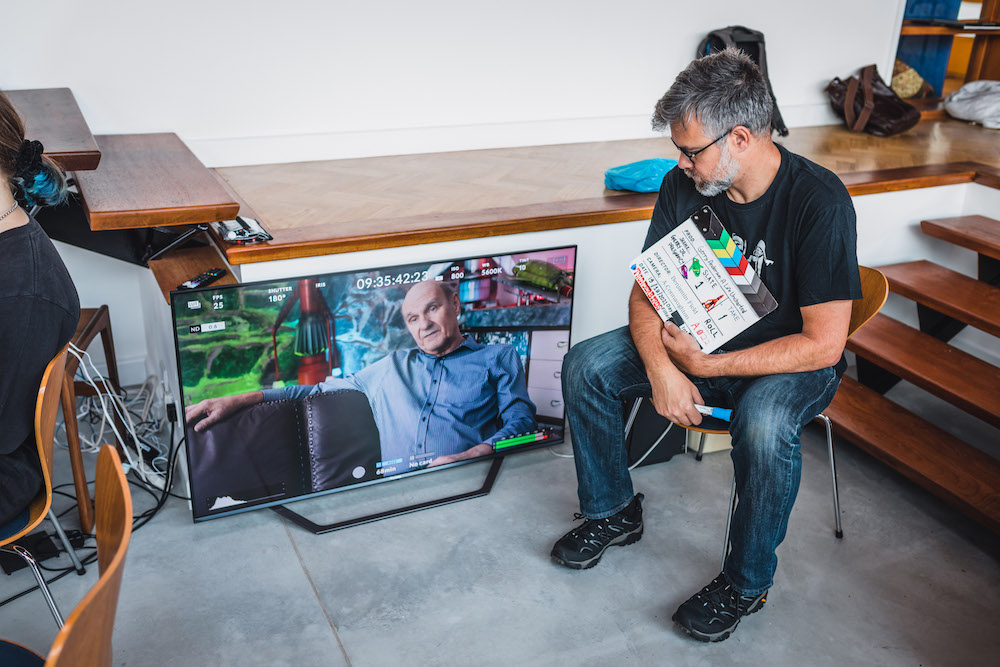
Navigating Challenges and Ethical Dilemmas
Despite its versatility, face swapping introduces several challenges and ethical dilemmas. Ensuring the quality and realism of the swapped faces while avoiding distortions and inconsistencies is a major technical challenge. Additionally, the technology poses risks related to privacy, security, and consent, necessitating measures to prevent misuse and ensure that faces are swapped only with permission.
Ethical issues also abound. Face swapping can potentially be exploited for identity theft, fraud, or to bypass security systems. It is increasingly used to create ‘deepfakes’, realistic yet fabricated images or videos that can deceive, mislead public opinion, or tarnish reputations. Furthermore, using someone’s face without consent can lead to privacy violations and dignitary harm.
Face swapping encompasses a range of possibilities from entertainment to artistic expression and realistic portrayal. However, the technology’s potential for misuse underscores the need for ethical guidelines and responsible use. As we continue to explore the capabilities of face swapping, we must also commit to addressing its challenges and respecting individual privacy and consent.




 Fliption | Blog
Leave a comment