

Selling products from overseas e-commerce sites domestically poses unique challenges. While the global marketplace offers expansion opportunities, effectively engaging domestic audiences requires more than listing products online. Overlooking the localization of product image content is common, yet crucial. Ensuring that product images resonate with the cultural preferences is key.
In this post, we’ll explore localizing product image content for domestic sales from overseas e-commerce sites. We’ll discuss challenges faced by sellers and offer actionable tips for success. From finding reliable suppliers and implementing competitive pricing strategies to effectively marketing imported products.
Temu Dropshipping: Unlocking Opportunities in Cross-Border E-commerce
With platforms like Temu on the rise, dropshipping has undergone a significant transformation. Temu, a leading global marketplace, provides entrepreneurs with opportunities for cross-border trade without traditional inventory management complexities. Temu dropshipping enables businesses to utilize its extensive reach and product variety to enter new markets and scale operations.
Key Benefits of Temu Dropshipping:
- Global Reach: Temu’s extensive global presence enables dropshippers to access markets worldwide, reaching customers in diverse geographic regions and demographics.
- Cost-Efficiency: With low startup costs and minimal overhead expenses, Temu dropshipping offers a cost-effective business model for entrepreneurs looking to enter the e-commerce space.
- Product Diversity: Temu’s vast product catalog encompasses a wide range of categories and niches, allowing dropshippers to cater to various consumer interests and preferences.
- Streamlined Operations: By outsourcing order fulfillment and shipping to Temu suppliers, dropshippers can focus on core business activities such as marketing, customer service, and business growth.
- Market Testing: Temu dropshipping enables entrepreneurs to test new products and markets quickly, allowing them to assess demand and profitability before making significant investments.

Finding Reliable Suppliers for Temu Shopping and Alibaba
Sourcing reliable suppliers is a cornerstone of success when selling products from overseas e-commerce sites domestically, particularly on platforms like Temu and Alibaba. With a myriad of options available, navigating the supplier landscape can be daunting. However, employing strategic approaches can streamline the process and ensure that you partner with trustworthy suppliers who deliver quality products consistently.
Conduct extensive research to identify potential suppliers on platforms like Temu and Alibaba. Utilize advanced search filters to narrow down options based on criteria such as location, product category, and supplier ratings. Take the time to read reviews and testimonials from other buyers to gauge the reliability and reputation of prospective suppliers.
Marketing Imported Products
Marketing imported products poses unique challenges and opportunities for businesses expanding into domestic markets. Captivating consumers with exotic goods requires tailored strategies aligned with audience preferences. Whether selling on Temu, Alibaba, or other platforms, effective marketing strategies can enhance product visibility and appeal.
Visual content is key for showcasing imported products’ aesthetic appeal and quality. Invest in high-quality product photography and videography to create engaging content that highlights your offerings’ essence. Showcasing products in diverse contexts demonstrates their versatility for different lifestyles and occasions.
Customizing Product Images for Local Markets
In e-commerce, product images act as virtual storefronts, providing insights into a product’s features and aesthetics. Customizing product images for local markets is crucial when selling products from overseas e-commerce sites domestically. Adapting visuals to align with cultural preferences is essential for capturing buyer attention and interest.
Understanding and catering to cultural nuances shape consumer perceptions and behaviors, influencing preferences and purchasing decisions. By tailoring product visuals to these preferences, businesses can create images that deeply resonate with local audiences.

Culturally Adapting Product Images Featuring Human Faces
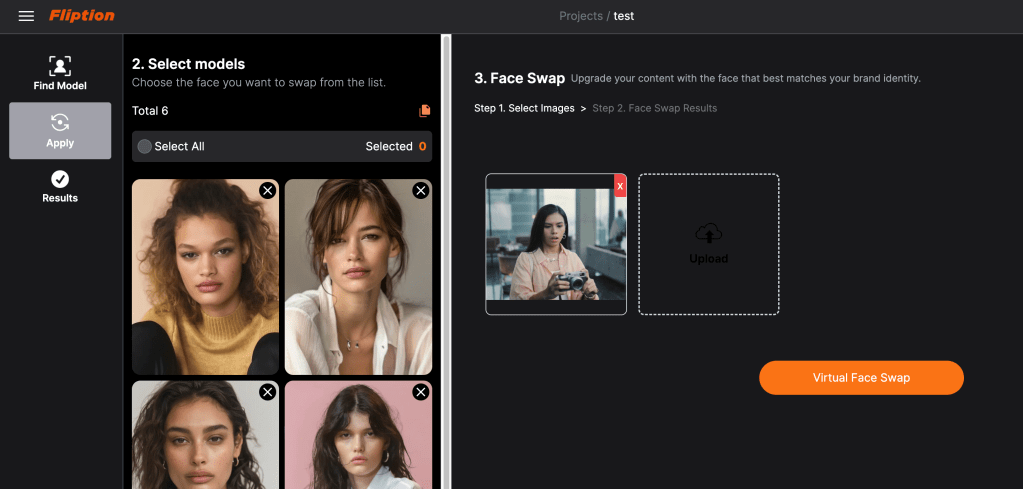
Human faces hold profound cultural significance and convey a myriad of emotions, expressions, and identities. When featuring human faces in product images for different markets, it’s essential to adapt them to align with cultural preferences and sensitivities. Cultural nuances play a pivotal role in shaping perceptions and interpretations of facial expressions, gestures, and appearances. By understanding and respecting these cultural nuances, businesses can create product images that resonate authentically with diverse audiences. Fliption can help sellers to change human faces for localizing product images using its face swap technology.
In the dynamic landscape of global e-commerce, the localization of product image content emerges as a pivotal factor in bridging the gap between overseas products and domestic markets. Throughout this exploration, we’ve delved into the intricacies of adapting product visuals to resonate with cultural preferences, ensuring that they effectively engage and appeal to diverse audiences.




 Fliption | Blog
Leave a comment