

In an age where technology intertwines with every facet of life, artificial intelligence (AI) stands out as a beacon of innovation, particularly in the fashion industry. This sector, has embraced AI to not just keep up with the times but to set new benchmarks for creativity, sustainability, and inclusivity. Fliption, a leader in virtual model technology, exemplifies this forward-thinking approach, showcasing how AI can revolutionize fashion from the drawing board to the runway and beyond.
Reinventing Design: AI as the New Couturier
Predictive Trend Analysis
The role of AI in predicting fashion trends cannot be overstated. By sifting through vast amounts of data from past styles, current preferences, and emerging patterns, AI provides designers with insights that fuel creativity and innovation. This data-driven approach allows for a nuanced revival of styles from the 80s and 90s, seamlessly blended with contemporary aesthetics to appeal to modern consumers’ diverse tastes.
Sustainability at the Forefront
AI’s impact on fashion extends to promoting sustainability. Through optimized production processes, AI helps in significantly reducing waste, ensuring that the industry moves towards a more eco-friendly model. From material selection to inventory management, AI-driven solutions ensure that sustainability is woven into every garment’s fabric, aligning with the growing consumer demand for ethical fashion.
Virtual Models: Revolutionizing Fashion Marketing
Diverse Representation
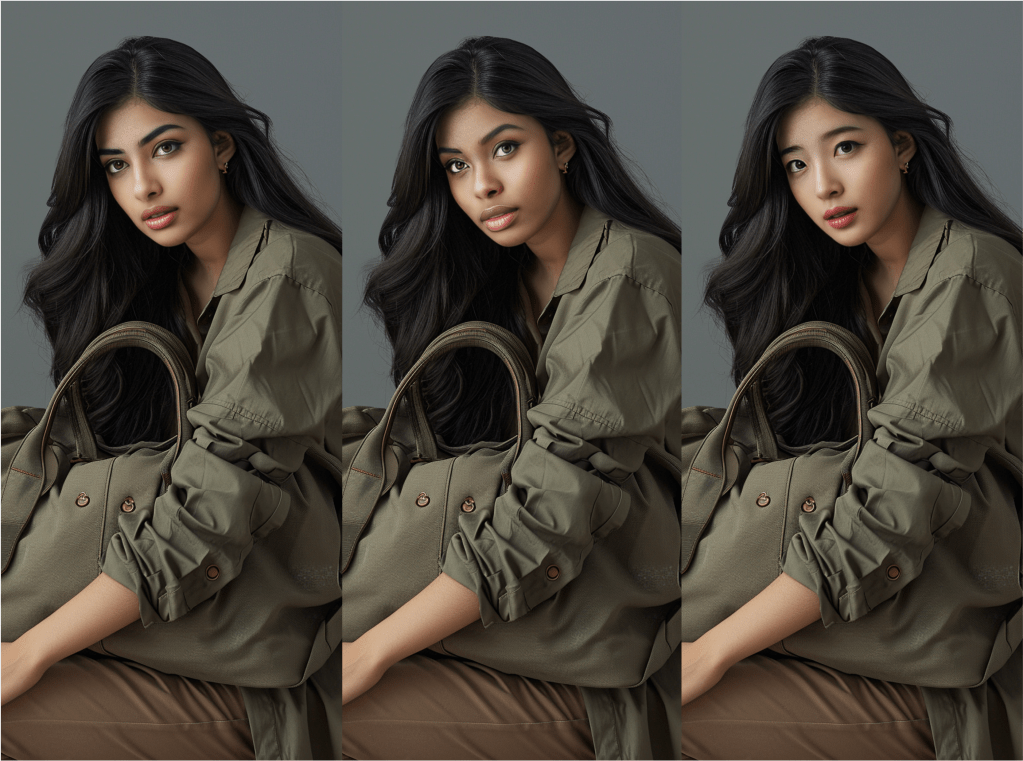
With Fliption’s AI-generated virtual models, the fashion industry witnesses a paradigm shift in representation. These models, capable of showcasing an array of styles, from high street to haute couture, embody diversity and inclusivity. They allow brands to connect with a broader audience, breaking down traditional barriers and fostering a more inclusive fashion narrative.
The Digital Runway
AI transforms the conventional runway, bringing fashion showcases into the digital realm. This not only reduces the logistical complexities associated with physical shows but also offers brands the flexibility to experiment with creative presentations. The digital runway becomes a canvas for innovation, where virtual models flaunt the latest designs to a global audience, transcending geographical limitations.
Weaving Together Marketing and Business Strategies with AI
Personalization: The New Standard
In marketing, personalization is key, and AI is the master locksmith. By understanding individual consumer behaviors and preferences, AI enables brands to craft personalized experiences that resonate on a deeper level. This tailored approach not only enhances customer engagement but also fosters brand loyalty, setting a new standard for consumer-brand interactions.
Transforming Business Operations
Beyond the glitz and glamour, AI’s influence permeates the operational backbone of the fashion industry. From streamlining supply chains to automating customer service, AI drives efficiency and innovation across the board. This operational agility allows brands to respond swiftly to market changes and consumer demands, ensuring they stay ahead in the competitive fashion arena.
Conclusion: A Tapestry of Innovation
The integration of AI in fashion heralds a renaissance of creativity, inclusivity, and sustainability. It’s a convergence of art and science, where technology not only complements but elevates the creative process. As we look towards the future, it’s clear that AI will continue to shape the industry in unimaginable ways, weaving a tapestry of innovation that will redefine fashion for generations to come.
With pioneers like Fliption at the helm, the fashion industry is set to embark on an exciting journey, embracing the endless possibilities that AI brings. This digital renaissance promises a future where fashion is not just about what we wear but how we create, market, and experience style in a world where the boundaries between the physical and virtual blur.




 Fliption | Blog